
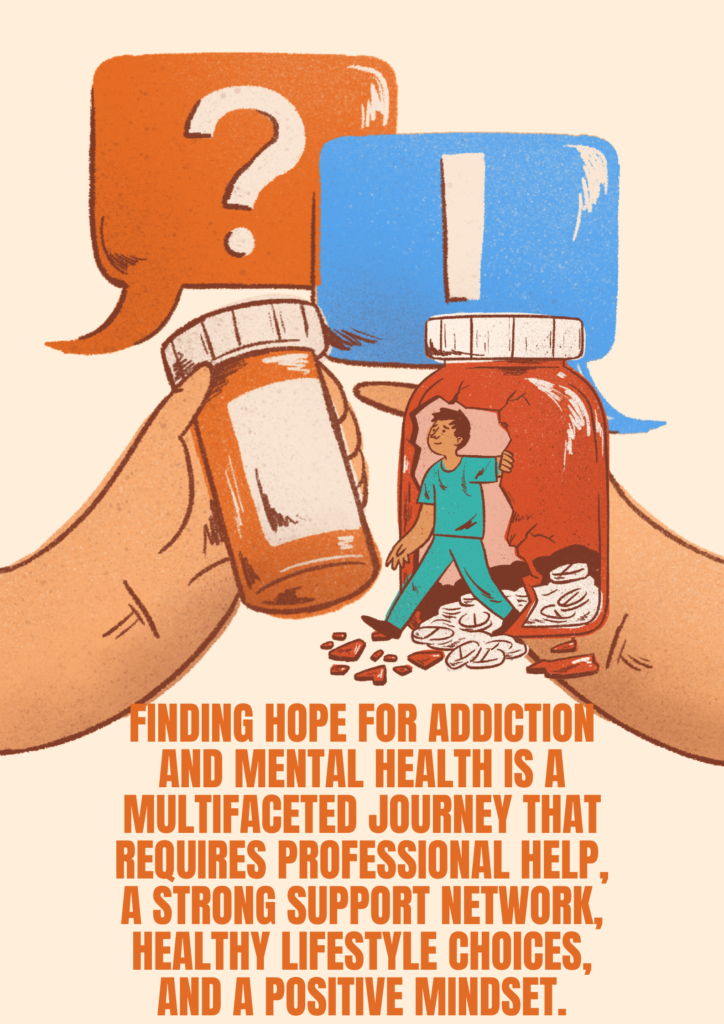
Hope is a powerful catalyst for change, especially for individuals grappling with addiction and mental health challenges. In the face of such overwhelming difficulties, finding hope can seem like an insurmountable task. However, with the right support, strategies, and mindset, hope can be rediscovered, lighting the path to recovery and a brighter future.
Understanding the Interconnection
Addiction and mental health issues often coexist, creating a complex web of challenges that can feel impossible to untangle. Depression, anxiety, bipolar disorder, and other mental health conditions frequently co-occur with substance use disorders. This dual diagnosis requires integrated treatment that addresses both issues simultaneously. Understanding this interconnection is the first step in finding hope. Recognizing that these conditions are intertwined and that recovery is possible with comprehensive care can provide a sense of direction and purpose.
Seeking Professional Help
The journey to finding hope begins with seeking professional help. Mental health professionals, addiction specialists, and healthcare providers are trained to diagnose and treat co-occurring disorders. Comprehensive treatment plans typically involve a combination of therapy, medication, and support groups tailored to the individual’s needs.
- Therapy: Cognitive-behavioral therapy (CBT), dialectical behavior therapy (DBT), and other therapeutic approaches can help individuals understand and manage their thoughts and behaviors. Therapy provides tools to cope with stress, build resilience, and develop healthier habits.
- Medication: For some, medication is a crucial component of treatment. Antidepressants, anti-anxiety medications, and other prescriptions can stabilize mood and reduce symptoms, making it easier to focus on recovery.
- Support Groups: Participating in support groups like Alcoholics Anonymous (AA), Narcotics Anonymous (NA), or mental health support groups provides a sense of community. Sharing experiences and learning from others who have faced similar challenges can be incredibly uplifting.
Building a Support Network
A strong support network is vital for recovery. Friends, family, and peers can offer emotional support, encouragement, and accountability. Involving loved ones in the recovery process helps rebuild trust and provides a safety net during difficult times.
- Family Therapy: Family therapy can help repair relationships damaged by addiction and mental health issues. It provides a space for open communication and mutual understanding, fostering a supportive home environment.
- Peer Support: Connecting with others who are also on the recovery journey can create a sense of camaraderie and shared purpose. Peer support groups offer a platform to share victories and setbacks, reducing feelings of isolation.
Adopting Healthy Lifestyles
Incorporating healthy habits into daily life can significantly impact mental health and addiction recovery. Physical health and mental well-being are closely linked, and adopting a healthy lifestyle can boost overall resilience.
- Exercise: Regular physical activity releases endorphins, which can improve mood and reduce stress. Exercise also promotes better sleep and overall physical health, both of which are crucial for mental well-being.
- Nutrition: A balanced diet provides the nutrients necessary for brain function and emotional stability. Eating regular, healthy meals can help regulate mood and energy levels.
- Mindfulness and Meditation: Practices such as mindfulness, meditation, and yoga can reduce stress, increase self-awareness, and promote emotional balance. These practices help individuals stay grounded and focused on the present moment, reducing anxiety and negative thinking.
Embracing Positivity and Self-Compassion
Finding hope involves embracing positivity and practicing self-compassion. Recovery is a journey with ups and downs, and self-criticism can hinder progress. Instead, focus on small victories and practice gratitude for the positive aspects of life.
- Positive Affirmations: Using positive affirmations can help reframe negative thoughts and reinforce a hopeful mindset. Repeating phrases like “I am capable of change” or “I am worthy of happiness” can boost self-esteem and motivation.
- Self-Compassion: Treating oneself with kindness and understanding is essential. Recognize that setbacks are a natural part of recovery and that each step forward, no matter how small, is a triumph.
Finding hope for addiction and mental health is a multifaceted journey that requires professional help, a strong support network, healthy lifestyle choices, and a positive mindset. By understanding the interconnection between addiction and mental health, seeking comprehensive treatment, building a supportive community, adopting healthy habits, and practicing self-compassion, individuals can rediscover hope and embark on a path to recovery. Hope is not just a feeling but a powerful tool that can transform lives and illuminate the way to a brighter, healthier future.
Leave a Reply