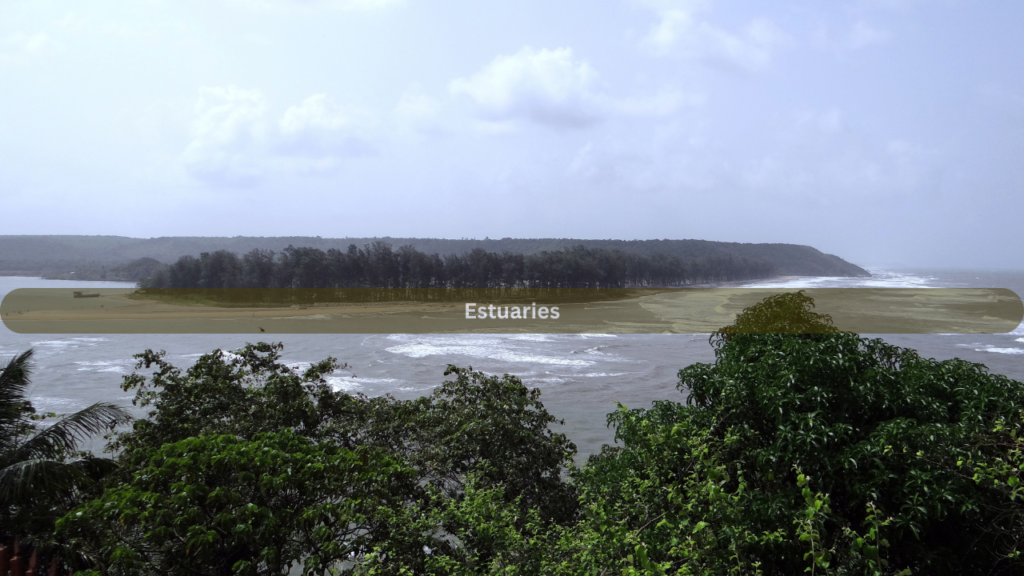
Florida’s watersheds, which include rivers, lakes, wetlands, and estuaries, are essential to the state’s environmental health and biodiversity. These interconnected water systems support a variety of plant and animal species, offer recreational opportunities, and play a significant role in sustaining Florida’s economy. However, what is less frequently discussed is the critical link between the health of these watershed ecosystems and the mental well-being of Florida’s residents and visitors. By safeguarding these vital water systems, not only are we protecting the environment, but we are also fostering better mental health outcomes for individuals who interact with these natural spaces.
The Psychological Benefits of Nature
Numerous studies have shown that exposure to natural environments has positive effects on mental health. In particular, “blue spaces” such as oceans, rivers, lakes, and wetlands have been found to reduce stress, anxiety, and depression. These environments offer people the opportunity to relax, unwind, and engage in physical activities like walking, swimming, or boating, all of which are known to improve mood and mental clarity. Florida’s watersheds, which encompass a rich diversity of aquatic ecosystems, provide residents with direct access to these blue spaces.
In today’s increasingly urbanized and fast-paced world, the opportunity to reconnect with nature can serve as a powerful tool for improving psychological well-being. Spending time near water has been shown to lower cortisol levels, the hormone associated with stress, and enhance feelings of calm and relaxation. Florida’s water-rich landscapes offer not only a retreat from the pressures of daily life but also a space for reflection, healing, and emotional renewal.
Ecosystem Health and Human Health
The connection between environmental and mental health becomes even more apparent when considering how ecosystem degradation can negatively impact human well-being. Pollution, habitat destruction, and the disruption of Florida’s watershed ecosystems lead to a decline in water quality, diminished biodiversity, and the loss of natural spaces that people rely on for recreation and relaxation. A degraded environment limits access to clean water, fresh air, and the natural beauty that can uplift mood and provide a sense of peace.
Furthermore, a decline in watershed health often correlates with increased flooding, droughts, and other extreme weather events, all of which contribute to heightened anxiety and stress in affected communities. People living near impaired or polluted watersheds may also experience a sense of loss and despair, knowing that the natural spaces they once enjoyed are no longer safe or accessible. This environmental distress can exacerbate feelings of helplessness and disconnection, further harming mental health.
The Role of Conservation in Mental Wellness
Protecting Florida’s watersheds through conservation efforts not only preserves these ecosystems for future generations but also promotes mental health in the present. Programs aimed at restoring wetlands, reducing water pollution, and conserving natural habitats help maintain the integrity of these ecosystems, ensuring they continue to serve as sanctuaries for those seeking mental respite.
Conservation initiatives like the Everglades Restoration Plan, for example, not only protect one of the world’s most iconic ecosystems but also provide vital mental health benefits to the millions of people who live in and visit Florida. By safeguarding these watersheds, we preserve opportunities for outdoor recreation, social bonding, and eco-therapy, all of which are essential for maintaining mental wellness.
Conclusion
Florida’s watershed ecosystems are more than just environmental resources; they are healing spaces that contribute significantly to mental health. By protecting and restoring these waters, we can help foster a healthier, more resilient population. As we continue to face global challenges like climate change and urbanization, recognizing the deep connection between ecosystem health and mental well-being becomes even more important. Safeguarding Florida’s watersheds is not just an environmental priority—it is a mental health imperative.
Leave a Reply