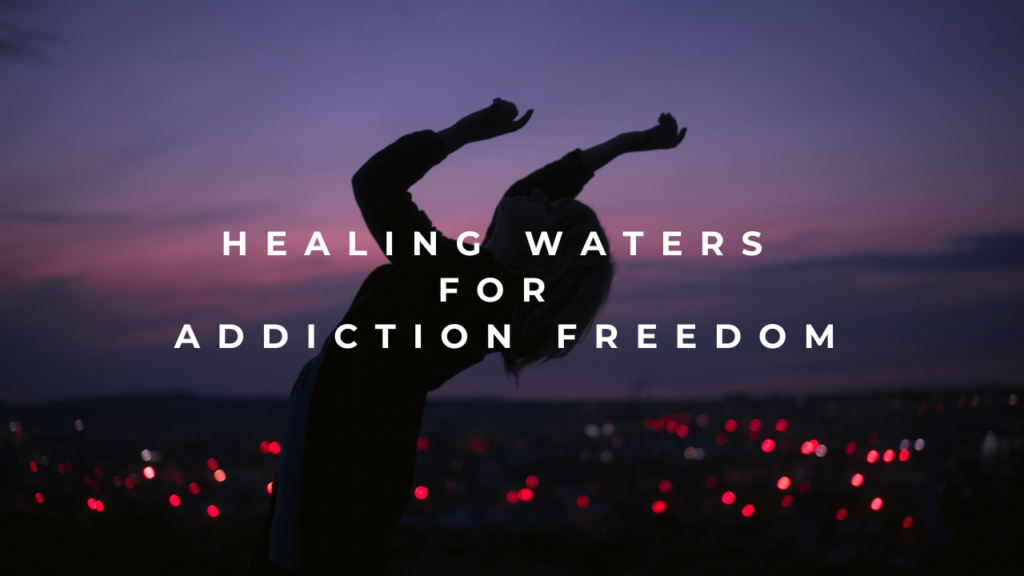

Florida is renowned for its breathtaking natural landscapes, from pristine beaches to lush wetlands. Among its ecological treasures are its vast and interconnected watersheds—networks of rivers, lakes, wetlands, and estuaries that support life in countless ways. Beyond their ecological and economic importance, these watersheds also play a critical, albeit often overlooked, role in enhancing mental health. Protecting these vital ecosystems is not just an environmental concern; it is a pathway to better psychological well-being for Floridians and visitors alike.
The Mental Health Benefits of Nature
Time spent in natural environments is proven to have a profound positive effect on mental health. Scientific studies show that access to green and blue spaces—such as forests, parks, rivers, and coastal areas—reduces stress, anxiety, and depression. Florida’s watersheds, rich with diverse aquatic ecosystems, offer a unique combination of tranquility and beauty that fosters mental rejuvenation.
Engaging with nature provides a respite from the stressors of daily life. Activities like kayaking on the Suwannee River, fishing in the Indian River Lagoon, or simply strolling along a wetland trail offer moments of peace and mindfulness. These activities promote the release of endorphins, the body’s natural “feel-good” chemicals, and help reduce cortisol levels, which are linked to stress. The soothing sound of flowing water and the sight of thriving wildlife can have a grounding effect, creating a sense of connection and calm.
Ecosystem Degradation and Psychological Distress
When Florida’s watersheds suffer from pollution, overdevelopment, or climate-related impacts, the consequences extend beyond the environment. The degradation of these ecosystems limits access to natural spaces that are essential for mental well-being. Dirty or unsafe water discourages recreation, while damaged habitats reduce the availability of serene spaces where people can find solace.
Environmental decline often triggers a psychological response known as “eco-anxiety,” a growing phenomenon marked by feelings of despair and helplessness over environmental destruction. Floridians who witness the loss of beloved natural areas, such as the drying of wetlands or the contamination of rivers, may feel a deep sense of grief. This emotional toll underscores the intrinsic value of a healthy environment for maintaining mental health.
Conservation as a Tool for Mental Wellness
Protecting and restoring Florida’s watersheds is an investment in both ecological sustainability and mental health. Conservation efforts, such as reducing agricultural runoff, restoring wetlands, and protecting mangroves, not only safeguard biodiversity but also preserve spaces that inspire relaxation, creativity, and emotional healing.
Initiatives like the Comprehensive Everglades Restoration Plan highlight the intertwined benefits of conservation. By improving water quality and restoring natural habitats, these efforts create healthier ecosystems while enhancing public access to nature. For many, simply visiting these revitalized spaces can provide a much-needed sense of hope and renewal.
Community Connection and Purpose
Engaging in conservation activities can also boost mental health. Volunteer programs for waterway cleanups or habitat restoration offer individuals a sense of purpose and community. Working together to protect Florida’s watersheds fosters social bonds and empowers people to make a tangible difference in their environment, combating feelings of helplessness.
Conclusion
Florida’s watersheds are not just environmental treasures—they are havens for mental wellness. Protecting these ecosystems ensures that future generations can continue to benefit from the therapeutic effects of clean water and thriving natural spaces. By prioritizing conservation, Florida is not only preserving its environment but also nurturing the mental health of all who call the state home. Nature’s remedy lies in safeguarding these vital watersheds, allowing them to remain a source of solace, healing, and inspiration for years to come.
Leave a Reply