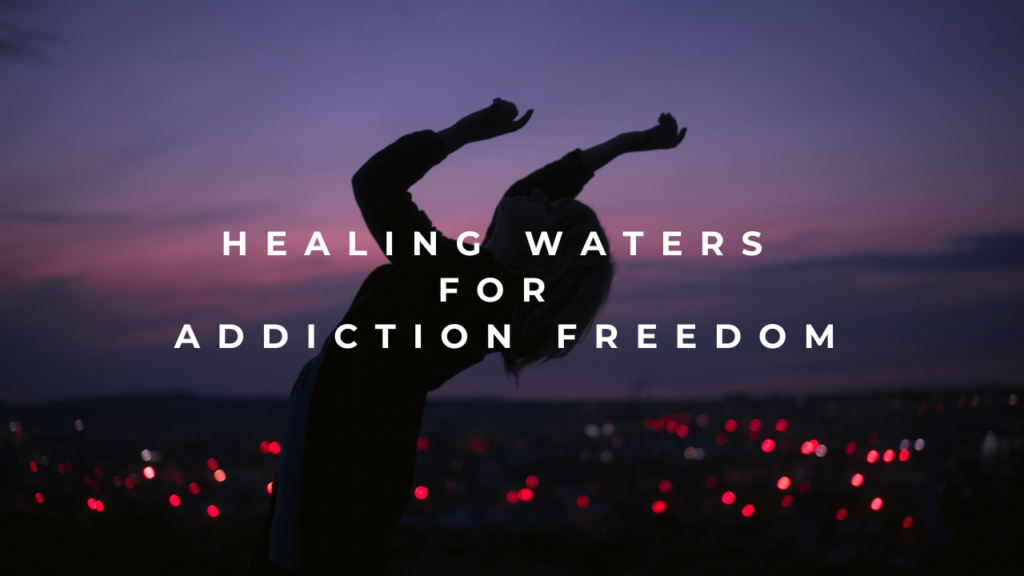

Florida is home to an abundance of waterways, from the Everglades’ sprawling wetlands to the crystal-clear springs of Central Florida. These watershed ecosystems serve as more than just environmental resources—they are also natural sanctuaries that support mental well-being. As eco-therapy gains recognition as a powerful approach to improving mental health, it is becoming increasingly clear that protecting Florida’s watersheds is not only beneficial for the environment but also essential for human wellness.
What Is Eco-Therapy?
Eco-therapy, also known as nature therapy, is the practice of using outdoor experiences to improve mental health. Research has shown that spending time in nature can reduce stress, anxiety, and depression while enhancing overall well-being. The presence of water in natural environments—often referred to as “blue spaces”—amplifies these benefits. Activities such as walking near a river, kayaking through mangroves, or meditating by a lake can help individuals feel more relaxed and connected to the world around them.
Florida’s watersheds, which include rivers, lakes, wetlands, and estuaries, offer countless opportunities for eco-therapy. Whether through guided outdoor programs or personal experiences in nature, individuals can use these spaces to relieve stress, regain focus, and improve emotional balance.
The Psychological Benefits of Healthy Watersheds
Healthy watersheds provide more than just clean water and thriving wildlife; they also contribute to better mental health. Here are some key ways in which protecting these ecosystems promotes psychological well-being:
- Reducing Stress and Anxiety
Natural spaces near water have a calming effect on the mind. The rhythmic sound of waves, the sight of flowing water, and the gentle movement of aquatic life can all help lower cortisol levels, the hormone associated with stress. People who spend time near Florida’s rivers, springs, and coastal estuaries often report feeling more peaceful and less anxious. - Enhancing Mood and Emotional Resilience
Research suggests that time spent in nature can reduce symptoms of depression and increase feelings of happiness. Blue spaces, in particular, have been linked to improved mood and emotional resilience. Florida’s watersheds provide an ideal setting for activities like paddleboarding, birdwatching, and fishing—each of which offers therapeutic benefits by encouraging mindfulness and relaxation. - Encouraging Physical Activity
Physical activity is a key component of mental wellness, and Florida’s watersheds offer plenty of opportunities for movement. Kayaking, swimming, hiking near rivers, and cycling along waterfront trails all contribute to both physical and mental health. Exercise releases endorphins, which help to elevate mood and decrease stress.
The Mental Health Impact of Environmental Degradation
When watersheds are polluted or damaged, the mental health benefits they provide can diminish. Pollution, habitat destruction, and climate change can make these spaces less inviting, reducing opportunities for eco-therapy. Additionally, witnessing environmental destruction can contribute to “eco-anxiety,” a growing psychological concern linked to climate change and ecosystem degradation.
The Role of Conservation in Eco-Therapy
Protecting Florida’s watersheds through conservation efforts ensures that these natural spaces remain accessible for mental wellness. Programs that focus on habitat restoration, water quality improvement, and public access to blue spaces all contribute to preserving eco-therapeutic benefits.
Conclusion
Eco-therapy highlights the deep connection between environmental health and mental well-being. By protecting Florida’s watersheds, we are not only safeguarding the state’s biodiversity but also promoting emotional healing and resilience. Investing in watershed conservation is, ultimately, an investment in human health and happiness.
Leave a Reply