Addiction is often seen only through the lens of physical dependence, but its impact extends far deeper than the body. Behind the cravings and withdrawal symptoms are profound mental and emotional struggles that shape the daily lives of those affected. Anxiety, depression, guilt, and emotional isolation often walk hand in hand with substance use, creating a cycle that feels impossible to break. At The Watershed in Florida, recovery is about more than sobriety. It is about addressing the hidden wounds that addiction leaves on the mind and spirit, offering hope for true healing.
The Emotional Toll of Addiction
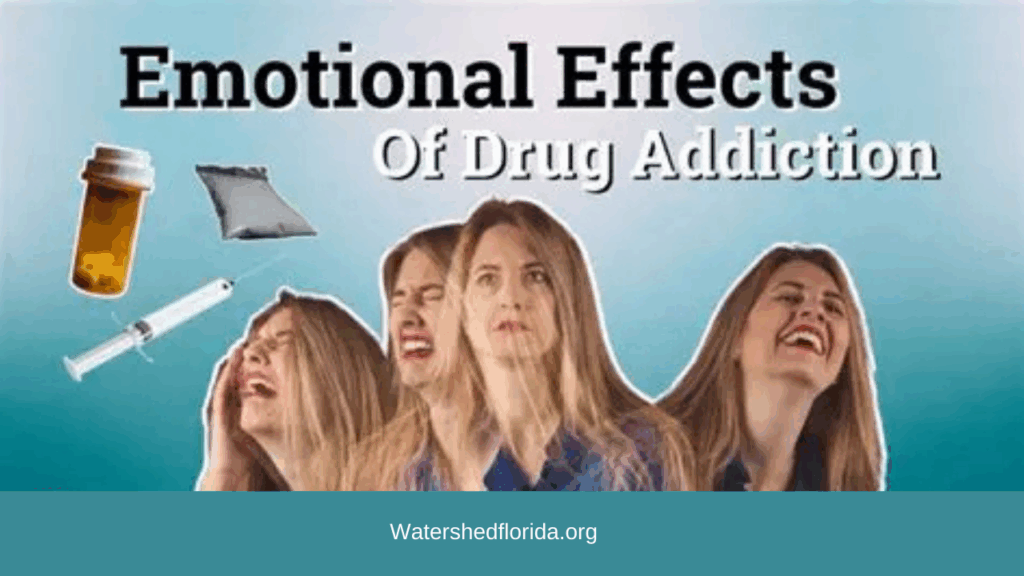
Addiction takes a heavy emotional toll that is often underestimated. Many individuals experience a deep sense of shame about their substance use, which can feed feelings of worthlessness or hopelessness. This emotional weight often drives people to use more substances in an attempt to numb the pain, only to find themselves feeling even more disconnected from loved ones and their own sense of identity.
Common Emotional Struggles Include:
- Guilt and regret over past choices and strained relationships
- Isolation and loneliness from withdrawing socially or losing trust with family and friends
- Fear of change that makes seeking treatment feel overwhelming
- Loss of self-esteem that clouds the ability to see a way forward
These emotions do not disappear when someone stops using substances. They require compassionate care and therapeutic support to truly heal.
How Addiction Impacts Mental Health
Addiction and mental health are closely intertwined. Substance use alters brain chemistry, which can intensify conditions like anxiety and depression or create new challenges where none existed before. This can make recovery more complicated, as individuals often struggle with both the physical cravings of addiction and the emotional burden of mental health disorders.
Addiction and Co-occurring Disorders
It is common for addiction to exist alongside other mental health conditions. Known as co-occurring disorders, this combination can make symptoms more severe and relapse more likely if not treated together. For example, someone may use alcohol to quiet symptoms of depression, but over time, alcohol worsens the depression, creating a vicious cycle. At The Watershed, specialized treatment ensures both conditions are addressed at the same time for the best chance of long-term recovery.
A Holistic Approach to Healing
True recovery means treating the whole person. The Watershed’s programs are designed to meet individuals where they are, offering inpatient and outpatient care that combines evidence-based treatment with holistic and faith-based options. Therapy sessions help individuals process emotions, while holistic practices like meditation, fitness, and nutrition support emotional balance. Faith-based care provides spiritual grounding for those seeking deeper meaning in their recovery journey.
This individualized approach allows clients to rebuild their mental and emotional health while finding strength in community, self-discovery, and renewed purpose.
Moving Beyond the Substance
Addiction may begin with a physical dependence, but its effects on mental and emotional health are equally significant. Addressing these challenges is not only essential for recovery but also for building a fulfilling life beyond addiction. With the right care, individuals can move past guilt and shame, rebuild their emotional resilience, and learn healthier ways to cope with stress and life’s challenges.
Taking the First Step Toward Healing
The hidden consequences of addiction do not have to define your future. At The Watershed, compassionate professionals are ready to help you address the mental, emotional, and spiritual aspects of your recovery. If you or someone you love is struggling, now is the time to take the first step toward lasting change. Healing is possible, and it begins with reaching out for the support you deserve.
Leave a Reply